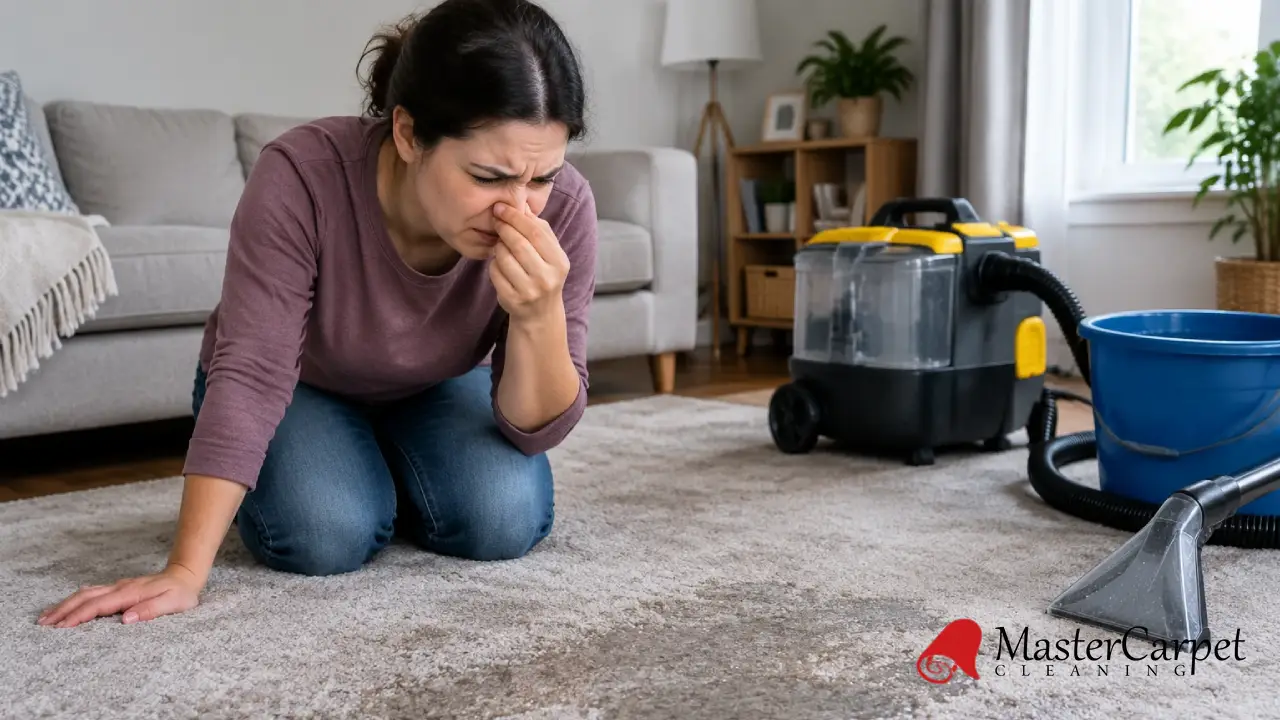
You cleaned your rug expecting it to smell great, not to smell stinky or sour! Why does rug smell after cleaning? A lot of the time, the issue is moisture, contamination that was triggered by the moisture, or something in the rug that got into the fibres.
Why Does Rug Smell After Cleaning? The Short Answer
Why do my rugs smell after cleaning? Your rugs may smell after cleaning, this can be caused by moisture being trapped in the rug, deep stains being left in the rug, re-stains after cleaning, or the water. Damp-fibre scent may go within a couple of hours after drying.
What Does the Smell Tell You?
The type of odour can provide a useful clue about what is causing it. Use the table below to identify the most likely cause and determine what to do next.
| Smell | Likely cause | What to do |
| Musty or mildew-like | Excess moisture, slow drying, or moisture retained within the rug | Increase airflow and ventilation, use a dehumidifier if needed, and allow the rug to dry completely. |
| Wet dog | A damp rug combined with existing soil, pet contamination, residue, or the natural scent of wet fibres. | Improve airflow and allow the rug to dry thoroughly. If the smell remains after drying, check the rug for deeper contamination or cleaning residue. |
| Sour or acidic | Moisture interacting with aged organic material, existing odours, or cleaning-product residue. | Allow the rug to dry completely and reassess the smell. If it persists, identify and treat the underlying source rather than masking it with deodorising products. |
| Urine or ammonia | Pet urine that has penetrated the rug fibres or backing | Standard surface cleaning may not be enough. Persistent urine odour may require targeted treatment of the affected area and deeper parts of the rug. |
| Chemical or strong perfume | Excess detergent or cleaning-product residue left in the rug. | Check whether too much product was used and ensure the rug is properly rinsed and extracted. Avoid adding more fragrance to mask the odour. |
6 Common Reasons Your Rug Smells After Cleaning
A bad smell in the rug after cleaning can have several causes: Excess moisture and chemicals or remobilized stains and layers of dirt. If you know the actual problem, you can choose the right fix to eliminate the unpleasant odor.
1. The Rug Was Over-Wet During Cleaning
The simplest answer to “why does rug smell after cleaning?” is excessive moisture. An expert, thorough cleaning is done by applying and removing the moisture from a rug. When a rug is cleaned at home improperly, with too much water used during the clean and not enough moisture removal, a high level of moisture can stay in the fibres and backing of the rug which can extend the dry time.
Less ventilation, high humidity, low temperatures, or poor air flow in the room can all contribute to those problems as well, prolonging the dry time and increasing the risk of foul odours.
2. Moisture Remains in the Rug After Cleaning
A rug may feel relatively dry on the surface while moisture remains deeper within its fibres or backing. It’s more likely if you have used too much water during a clean and the extractor equipment hasn’t managed to extract sufficient moisture.
The longer the excess moisture stays in the rug, the more likely it is you’ll notice the unpleasant ‘damp smell’ lingering in the fibres. If your rug feels particularly stiff post-clean or you notice a smell when you push on the fibres, it could retain moisture.
3. Old Pet Urine or Organic Stains Were Reactivated
Old pet urine, food or drinks spills, or other organic compounds can work their way into the rug fibres and penetrate all the way to the pad or other less accessible areas. When these substances are re-wet during cleanings, they may become reactivated and the odours may return to a greater extent.
What To Do If the Smell Comes Back After Cleaning and Drying: The odour may be more apparent once the contamination has been rewet with moisture during normal cleanings.
If you are asking, “Does steam cleaning make my rug smell worse?”, the issue may be that moisture has reactivated an existing contamination rather than that the cleaning itself created the odour.
4. Cleaning Solution or Detergent Was Left Behind
When a cleaning agent remains in the rug, it is often because insufficient rinsing or extraction was used to remove it. This may leave the affected areas with a stale or sour odour or cause them to attract soil as residual cleaning solution remains in the rug.
If you’re asking yourself, “Why does my rug smell worse after cleaning?”, cleaning-product residue may be one possible explanation, particularly when a rug has been cleaned with a machine at home and the solution has not been adequately rinsed or extracted.
5. The Cleaning Machine Did Not Extract Enough Water
If equipment used to extract the cleaning solution hasn’t been operated correctly, your rug may also be damp to touch, which is a moisture state that may trigger odours. Professional rug cleaning involves optimising the cleaning solution used, rinsing the rug thoroughly, extracting the excess moisture, and then drying the rug in a regulated manner.
When a rug is cleaned in-house using a rental or domestic machine, excessive moisture remains in the rug as the extraction process is not operated optimally. This can extend drying times and cause a damp odour.
Professional rug cleaning utilises specialised extraction equipment and drying procedures to ensure the moisture in the rug is removed efficiently.
6. Deep Contamination Is Reactivated During Cleaning
Liquids & deep-seated residues If your rug was heavily contaminated, odours trapped below the surface may be released or increased when moisture is reintroduced to clean it. Pet urine, food stains, and other foodstuffs were absorbed into the weave and backing of the rug and become worse when rewet.
If you notice an odour after the cleaning process is complete and the rug has dried, a specialist treatment may be necessary to target the stain and odour, rather than another general cleaning.
The Wool or Natural Fibres Have a Different Smell When Wet
Not every unusual odour is a sign that the rug has not been cleaned properly. Wool and some other natural fibres may have a distinctive scent when they are wet. This smell may be more noticeable during drying and will usually become less noticeable once the fibres are completely dry.
Natural-fibre rugs also need to be treated more delicately, as fibre type, construction, dyes, and condition all affect which cleaning technique should be used. Professional textile-floor-covering standards specifically acknowledge these differences between fibres.
What Should I Do if My Rug Smells After Flood or Water Damage?
A rug that has been exposed to flood water or other prolonged moisture may develop a strong or musty smell that remains even after the moisture is gone. You can’t simply dry out the rug or cover up the smell with a deodoriser.
A water-affected rug should be examined and cleaned by expert professionals, according to the fibres, construction and overall state of the rug. An odour-eliminating or deodorising application can also be applied to help remove residual odour caused by the water after cleaning.
This is most important if a rug has been left wet for an extended period of time. The focus here should not be on temporarily making a rug smell better, but on eradicating the odour through a thorough cleaning and odour-eliminating process.
Ways to Eliminate Rug Odour After Cleaning
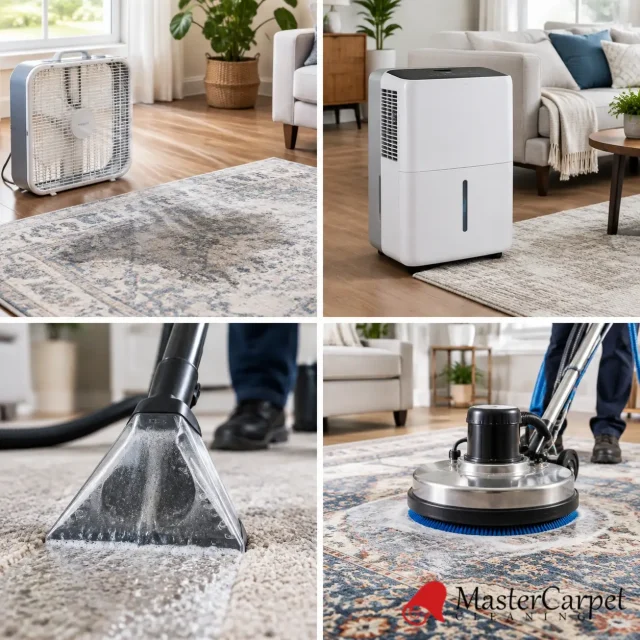
However, now that you have become aware of your rug’s odour, the initial step is to identify if the scent is related to dampness caused by a spill or if it is otherwise. For rugs that you have washed by yourself and where excessive wetness and odour persists, do not attempt to continue washing the rug with additional water or cleaning solutions.
For cases where the rug is contaminated from a pet in the house, a flood event or long-term excessive exposure to moisture, a professional wash and odour treatment may be warranted.
Increase Airflow and Ventilation
Improve airflow as soon as you finish cleaning. Use fans to circulate air over the rug and use your HVAC system if appropriate. Windows can be opened when the weather permits.
Use a Dehumidifier
It is a good idea to use a dehumidifier when the room is humid or has inadequate ventilation. Increasing the temperature inside a room can help moisture evaporate into the air more readily.
We advise that dehumidifiers, along with increased air circulation, can help dry wet rug and reduce moisture.
Remove Excess Moisture
If the rug is very wet, further extraction can be more useful than applying another cleaning product. If a rug was home cleaned and heavily damp, it’s not worth repeating another round of DIY.
Over dampening delays the drying process, leaves residual cleaning solution and causes the smell to get worse. So please don’t keep soaking the rug to get the smell out. Use as much water as is necessary to handle the water amount that needs drying, soaking the pad or back side of the rug may be required.
Address Pet Urine and Deep Stains Separately
If the urine smell is associated with pet urine or another persistent stain, a dedicated odour treatment may be necessary. For instance, Professional rug stain removal service can address both the source of the contamination and the associated odour.
Depending on the rug and the type of contamination, cleaning may be followed by deodorising or targeted odour-removal treatment. Master Carpet Cleaning provides stain and odour treatment, including treatment for pet urine and pet odours.
Deal With Cleaning-Product Residue
If the smell is strongly chemical, perfumed, or soapy, it may be caused by product residue remaining in the rug. In some cases, rinsing or re-extracting the rug may be necessary to eliminate residue.
Re-application depends on the rug and cleaning method and should be determined after assessing the rug’s construction and fibre type. If the residue cannot be adequately removed at home, professional rug cleaning may be a safer option than repeatedly applying more water or cleaning products.
Deodorising Is Different From Masking an Odour
Slap-on fragrance will not mask the source of the bad odour. If the odour is caused by pet urine, flood waters, long term dampness or another source, the rug may need to be cleaned professionally and deodorising or odour removal method applied first.
With flood water and dampness, the residual odour after cleaning needs deodorising to remove it rather than masking it with a fragrance.
How Long Should Rug Smell After Cleaning?
A wet-fibre or damp smell is common while a rug is still drying. Drying times vary according to the cleaning process employed, rug construction, fibre type, volume of moisture applied, room temperature, humidity, and air circulation.
Therefore, there is no fixed amount of time that every rug should take to dry. The key is to observe how the odour changes over time. If it diminishes as the rug dries, it may simply be the odour associated with temporary moisture.
When Does a Bad Odour After Rug Cleaning Indicate a Problem?
A bad odour after rug cleaning is not always a sign of a serious problem, especially if the rug is still damp and the smell fades as it dries. However, a persistent or worsening odour may indicate trapped moisture, deep contamination, pet urine, or cleaning-product residue that requires further attention.
The Rug Is Still Extremely Wet the Following Day
Avoid excessive moisture, and do not repeatedly clean the area in a way that makes it wet again. Wet areas should be carefully dried, particularly below the surface.
The Smell Gets Stronger Instead of Fading
A temporary musty odour should typically dissipate as moisture leaves the rug. A lingering or increasing odour may indicate remaining moisture, contamination, or residue.
The Same Urine Odour Keeps Returning
A repeatedly recurring urine smell may indicate that the contamination has penetrated beyond the rug fibres to the backing or padding.
The Odour Persists After the Rug Has Dried
If the rug is completely dry but still has a strong odour, the source may be deep contamination, pet urine, cleaning-product residue, or odour associated with previous water exposure. In these cases, simply drying or adding fragrance is unlikely to solve the problem.
There Is Visible Water Damage or Suspected Mould
Moisture is a key factor. Stale smells and wetness are indicators that the growth of mould can occur, and moisture control is essential in mould prevention and control. In cases where there are high levels of water or contaminated water, or where mould is suspected, it would be advisable to seek professional guidance instead of using DIY methods repeatedly.
Rugs affected by flooding or prolonged water exposure should not simply be dried and deodorised at home. They may require professional cleaning to remove contaminants, followed by deodorising or odour-removal treatment.
Here’s What You Can Do to Avoid a Smelly Rug After the Next Cleaning
The outcome of a good cleaning depends on what happens during and after the cleaning process.
- If cleaning a rug at home, avoid using excessive water or cleaning products.
- Prioritise effective moisture extraction.
- Allow the rug to dry completely.
- Do not repeatedly wet the rug in an attempt to remove an odour.
- For pet urine, flood damage, or persistent odours, consider professional rug cleaning and appropriate deodorising treatment.
- Ensure that any cleaning solution is properly rinsed and extracted.
Proper maintenance may also help ensure that heavy soil and stubborn odours do not become major issues. If you are wondering, “how often should you get rugs cleaned?”, remember that cleaning frequency depends on household traffic, pets, children, spills, rug type, and the condition of the rug rather than a single standard for all homes.
When to Get Professional Help for a Smelly Rug?
If you cleaned the rug yourself and it has only a mild damp smell while drying normally, focus on airflow and complete drying rather than adding more products. However, if the rug remains very wet, develops a strong odour, shows signs of colour bleeding, or still smells after drying, professional rug cleaning may be more appropriate.
Rugs affected by pet urine, flood water, or prolonged moisture may need more than routine cleaning. Professional cleaning can remove accumulated soil and contaminants, while deodorising and odour-removal treatment can address persistent smells after the rug has been cleaned.
Frequently Asked Questions
Is it Normal for a Rug to Smell after Cleaning?
It is common to encounter a mild damp or wet-fiber smell while a rug is drying. However, the smell will usually decrease as the rug dries. A particularly strong odor or a smell that remains or worsens during the drying process might be a sign of moisture retention, pet contamination, or detergent residue.
Will Rug Odours Go Away After the Rug Dries?
Many smells may disappear if they are caused primarily by damp fibres once the rug has dried completely. Other odours may not disappear completely if they originate beneath the backing or padding, from contamination or residue, or from a persistent stain.
Why Does My Rug Smell a Wet Dog Odor Even After Cleaning?
If you detect an odor reminiscent of a wet dog on your rug after cleaning, there is a possibility that your rug has been contaminated by your pet. The occurrence of smelly rugs is possible due to moisture absorption by the fibers of the rug which in turn have mixed with dirt, organic matter, or other residues from domestic animals.
Why Does My Rug Smell Like Urine After Professional Cleaning?
Older pet urine can seep through the rug fibres into the backing or padding underneath. When the rug is rewetted during cleaning, the urine odour can sometimes become noticeable again. If this smell repeatedly returns, a pet-odour treatment may be more appropriate than another routine cleaning.
Why Does My Rug Smell Worse After Using a Rug Doctor or Other Rug Cleaner?
A rug may smell worse after being cleaned with a rental or household rug-cleaning machine if too much water or cleaning solution is used or if the machine does not extract enough moisture. This can leave the rug damp for longer and may contribute to a musty or soapy odour. Pet urine or other existing contamination may also become more noticeable when the rug is rewetted.
How Can You Get a Rug to Dry Faster After Cleaning?
Increase air circulation by using fans to circulate the air. Increase ventilation when outdoor conditions permit, and use a dehumidifier when indoor air is humid. Do not add more water or cleaning products to the rug.
Could a Musty Odour Actually Be Mould Beneath My Rug?
No. A musty odour can be associated with moisture, but odour alone does not prove that mould is present. Nevertheless, a persistent musty odour, ongoing moisture, or visible mould should be investigated because mould can grow where moisture is present.
Can Too Much Rug Shampoo Cause a Bad Smell?
Yes. If too much solution is used and not removed properly, residue can remain. This residue can result in a chemical, stale, or soapy odour. Additional fragrance may temporarily mask the odour, but it does not address the underlying source.
Do I Need to Clean My Rug Again If It Still Smells?
Not necessarily. First, check whether the rug is still wet and identify the type of odour. Adding excessive water can delay the drying process, while ongoing urine contamination, organic contamination, or product build-up may need to be treated rather than simply cleaned again.
Can Dog Urine Penetrate Deep Into a Rug?
Yes. Depending on the amount of urine and the rug’s construction, pet urine can penetrate beyond the surface fibres and into the deeper parts of the rug or backing. If the odour continues after routine cleaning, targeted pet-odour treatment may be required.
Will Baking Soda Take Away the Smell from Rug?
While baking soda may help with some surface odours, it should not be relied on as a solution for persistent moisture, urine contamination, mould, or odours coming from beneath the rug. Instead, identify and address the actual source of the unpleasant odour.
How Often Should Rugs Be Professionally Cleaned?
No single cleaning frequency is appropriate for every household. Traffic, pets, children, spills, rug type, and soil levels all affect the required cleaning frequency. Regular maintenance by a professional rug cleaner can help control soil and odour before they become difficult to manage.